None of these six games is decided by chance. The players who improve fastest share a handful of habits, and every one of them can be practised in a spare five minutes.
Watch first, act second
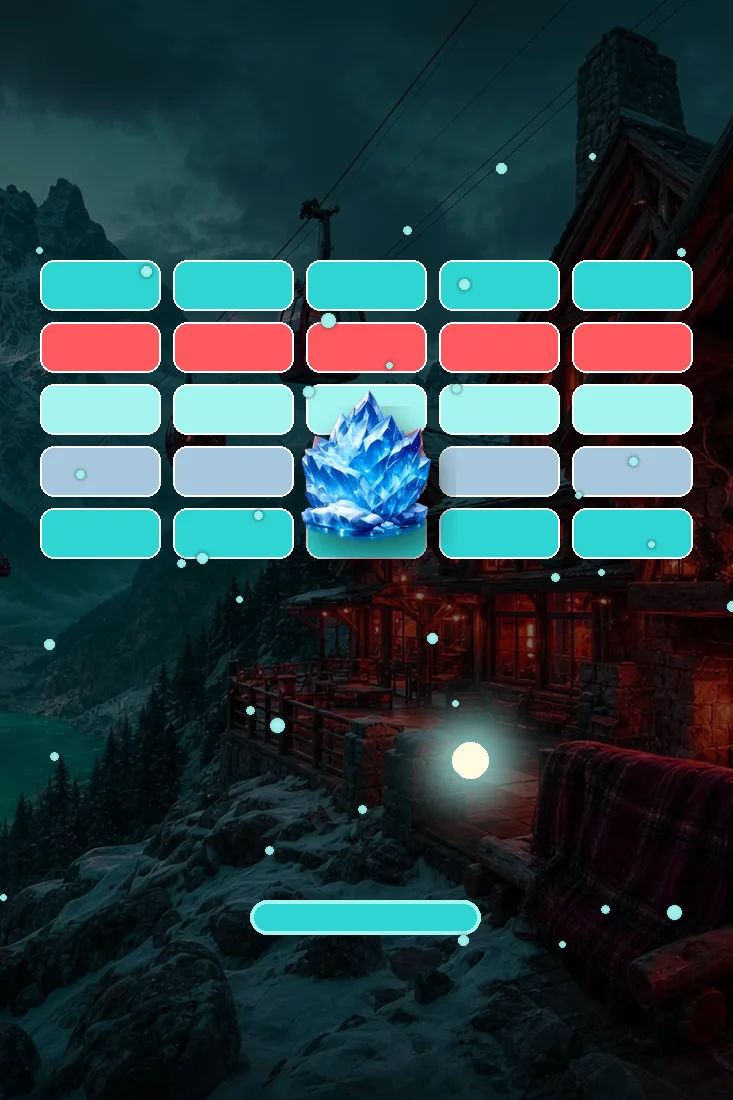
The single most useful habit across all six games is taking a moment to look before you do anything. In Switchback Putt, that means watching a moving gate through a full cycle before pulling back. In Icefall Breaker, it means noting where the power-up blocks sit before you launch. In Cable Car Slide, it means reading the star limits before the first move.
This sounds obvious, but almost everyone skips it when they are keen to get going. The few seconds spent looking save far more time later. They also make each game feel calmer, because you are responding to a plan rather than to surprises.
Try it as a small experiment. Play your next three rounds of anything on the line with a deliberate pause at the start. Most people find their results improve straight away, and the games feel less frantic even when the action gets quick. The pause becomes a little ritual, a breath before the first putt or the first launch, and rituals like that are what turn casual play into real improvement.
Learn the rules underneath the game
Every game here runs on clear rules, and the better you understand them, the better you will play. In Icefall Breaker, the angle of the snowball depends entirely on where it lands on the paddle. In Tarn Trail, every pickup makes you a little faster. In Trailmark Grids, a clue that is more than half the row always guarantees some filled squares in the middle.
Once you know these rules, you stop playing by feel alone and start playing on purpose. A shot is aimed, a turn is planned, a square is filled because it must be. That is when improvement speeds up, and when the games start to feel genuinely satisfying rather than merely busy.
Each game page on this site lists the main rules and a handful of tips. Reading them once is enough to change how you see a game. Coming back to them after a week of play is even better, because the tips will suddenly make more sense. Advice that seemed abstract on day one, like crossing out empty squares early, becomes obvious once you have felt the problem it solves.
Build from a solid corner
A surprising number of our games reward the same basic idea: get one part completely right, then grow from there. In Cable Car Slide, you solve the top row and left column before anything else. In Fireside Jigsaw, you build the frame. In Trailmark Grids, especially on a 15x15, you finish one corner so its certain squares support the next deductions.
Even the action games follow this pattern. In Icefall Breaker, opening a gap at one side of the wall early lets the snowball do lots of work behind the blocks. In Tarn Trail, running around the edges first keeps the middle of the board clear for later, when the trail is long and the pace is quick.
When a game feels overwhelming, ask yourself where its solid corner is. There nearly always is one, and starting there turns a confusing problem into a series of small, manageable steps. It is the same instinct a mountain guide has: secure one good foothold, then look for the next one.
Practise little and often
Short sessions spread across the week beat one long session every time. A few holes of Switchback Putt over breakfast, a picture grid at lunch and a couple of breaker walls in the evening will teach your hands and eyes more than three hours on a Saturday. Your brain consolidates skills between sessions, not just during them.
Short sessions also keep the games enjoyable. When you stop while you still want to play, you come back eager. When you push on until you are frustrated, you tend to play worse and remember the game less fondly. All six games are built to start in seconds, which makes little and often easy.
If you like a target, pick one game a week to focus on. Play the others freely, but give that one a few deliberate sessions. By the end of the week you will usually see a real improvement in your scorecard, your move count or your star total. Next week, rotate to a different stop, and over a month every game on the line will have had its turn in the spotlight without any of them ever feeling like homework.
Use your bests as a friendly guide
Each game keeps your personal bests on your device, and they are there to help, not to judge. A best stroke count in Switchback Putt shows you what you are capable of on a good day. Stars on each wall of Icefall Breaker show which levels are worth revisiting. The tally of finished jigsaws simply reminds you how much you have already done.
Treat these numbers as a map rather than a test. When you are in the mood for a challenge, go back to a level with one or two stars and try for three. When you just want to relax, ignore them entirely. Both are perfectly good ways to enjoy the line, and switching between them keeps things fresh. A best is only ever a reminder of a good day, and good days come back.
The nicest discovery, we think, is that skill spreads between games. The patience you build in Trailmark Grids helps your slide puzzles, the timing you learn in Tarn Trail sharpens your breaker play, and the calm you find in a jigsaw makes every other game feel steadier. Get better at one stop and the whole line rises with you.